
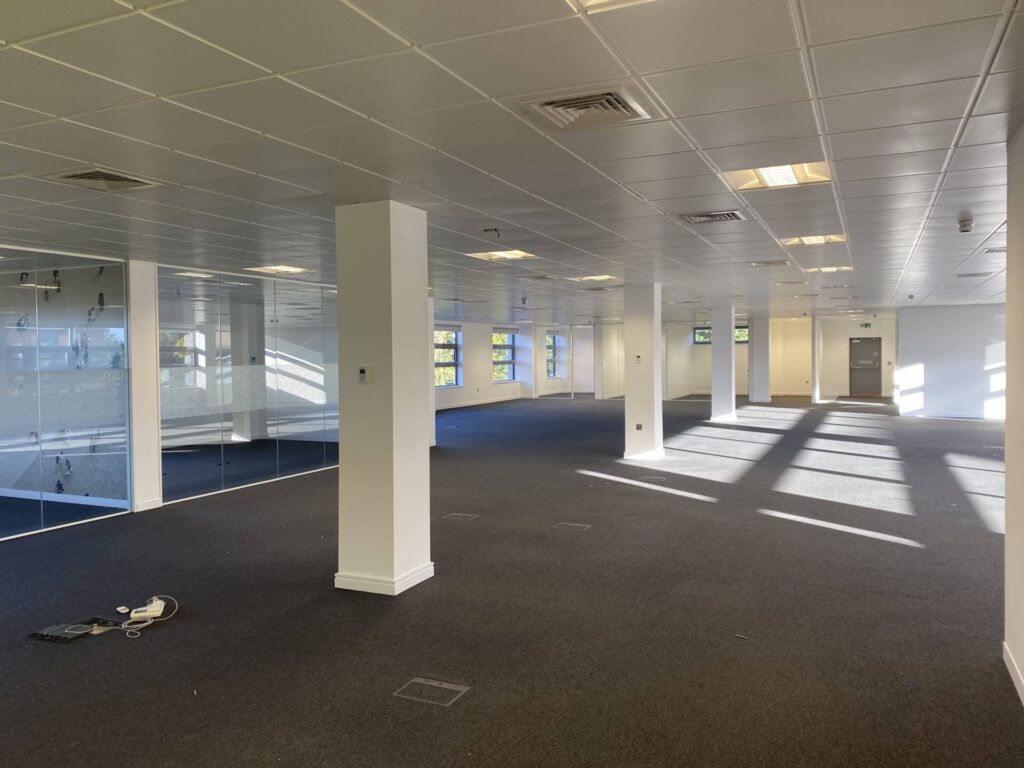
If you’re relocating offices then it stands to reason that you’ll want things to go smoothly. Not only do you have the physical office relocation to take care of, but you need to work out how to keep your business running smoothly too. It often isn’t practical to close for a few days, or delay customer orders while your business premises moves, so working out how to do both simultaneously is the first hurdle.
Key Takeaways for Moving Into a New Office
- Electricals – Test equipment (PAT testing), hide trailing wires with trunking to remove trip hazards, and check power points and lighting.
- Furniture – Assemble desks, chairs, and storage systematically; move heavy items safely to establish clear, ergonomic workstations.
- Fixtures – Securely mount AV equipment, TVs, whiteboards, window blinds, and branded signage.
- Property Maintenance – Inspect plumbing, fix wall holes/paint, and ensure doors, locks, and hinges operate smoothly.
- Keeping Things Moving – Outsource heavy lifting and mechanical setup to professionals to prevent employee injury and avoid business downtime.
Working Out The Logistics
When it comes to moving offices, a lot of it comes down to the same things you would do if you were moving house. Being organised and planning how and when you are going to move certainly helps. If you have a team or two of people to move to the new location then getting everyone involved really does help things to move smoothly. Working together as a team means that people can pick up the slack when other teams aren’t able to work to their full ability due to lack of equipment or space. Consider when you will be able to access your new location and how long it might take to move your equipment there before you make any schedules and plans to get moving.
Getting Everything Setup at the New Premises
Getting set up at your new premises is a vital step and likely not something that you’re going to want to delay. Once you have an idea of when and how you’ll be moving, it’s time to bring in the professionals. Things like PAT (Portable Appliance Testing) and setting up (and testing!) your Wi-Fi network are essential and should be carried out before you get too settled in, so this is something you will want to arrange as soon as possible.
Consider what the office is going to be like when it is full of equipment and people. Look at how you are going to be able to eliminate trip hazards, avoid screen glare and generally make it a nice place, where employees are happy to come to work.
Ensure essential items like first aid kits, fire extinguishers, and basic employee supplies are placed where they belong, and that fire exits and alarms are clearly marked. Also ensure that the people who need access to these know where they are stored and how they can access them.
The Final Stages of Moving In
Before moving in the whole team and completing the relocation, you should make sure that the finishing touches are done.
Carrying out minor building maintenance is going to be much easier when you don’t have a room full of employees to work around. Look at patching up any walls, carrying out any paint jobs and even checking things like door hinges and window openers. Get AV equipment mounted; check all your lighting and heating systems and even make sure things like the kettle and fridge work in the staff kitchen. All these jobs seem small, but they are much easier to do when you are working in an empty office; you have to worry less about people being in the way and trying not to make too much noise.
Check out the security of the building and make sure you are happy. Once this is sorted, look at how your employees are going to gain access and distribute keys, key cards and key fobs where necessary. Also make sure any relevant people have access to the alarm codes.
Before you lose access to your old premises ensure that any business stationery, online accounts, office registries and online profiles are updated to your new premises address. It is also worth setting up a post redirection from your old premises so that you don’t miss anything important.
How Professional Help Can Make Life Easier
It might feel like you should save costs and do a majority of the work to move premises yourself. However, because of the time it can take to carry out all the jobs and the potential disruption to your business, it can actually work out more cost-effective to get someone who specialises in office fit out in London to help.
For starters, when you have a professional handyman on board you don’t have to rope in your staff to help with assembling furniture or moving equipment. This keeps them much safer and means that they’re not disrupted from their actual job role – keeping your business functional and your customers happy.
When you work with a commercial handyman London, you’ll find that their experience and expertise will get the job done much quicker. They work on projects similar to yours on a regular basis, which means they already have an idea of how to avoid problems and keep things moving. On top of that they’re often able to work on your project outside of your core business hours – keeping disruption for your employees and your customers to a minimum.
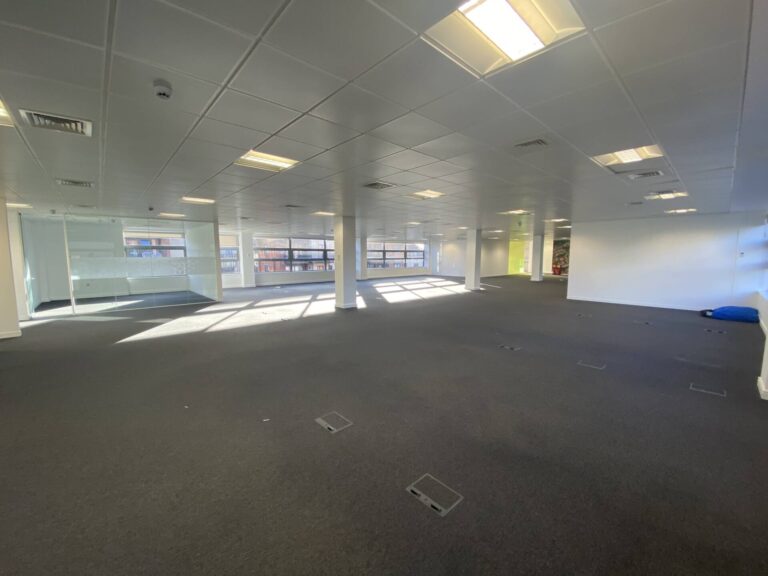
Moving Office Premises – FAQs
How far in advance should we plan our office move?
Realistically, the further in advance you can plan things the better. Whilst it isn’t always possible, if you’re able to start planning 4-6 weeks in advance this helps things to run smoothly. With this timescale to get things organised, you have time to look at the layout of your new premises and how to best make things work. Knowing how your new office set-up is going to look helps to make the moving process much more efficient.
Can I hire a commercial handyman in London to help?
Absolutely, a commercial handyman in London will be well equipped to help with your move. Of course, there are some jobs that need to legally be carried out by licensed professionals; but bringing in a handyman to lighten the load with everyday jobs can really make life easier.
How do I minimise downtime?
Being organised and booking in professionals is one of the best ways to minimise downtime within your business and keep things ticking over. Being organised allows you to plan which parts of the business to move and when, allowing departments that are not yet moving to pick up the slack and minimise disruption for your customers.